Listen
A focused conversation about your history, symptoms, prior care, and the activities you want to regain.
SPORTS MEDICINE · UPPER WEST SIDE, NYC
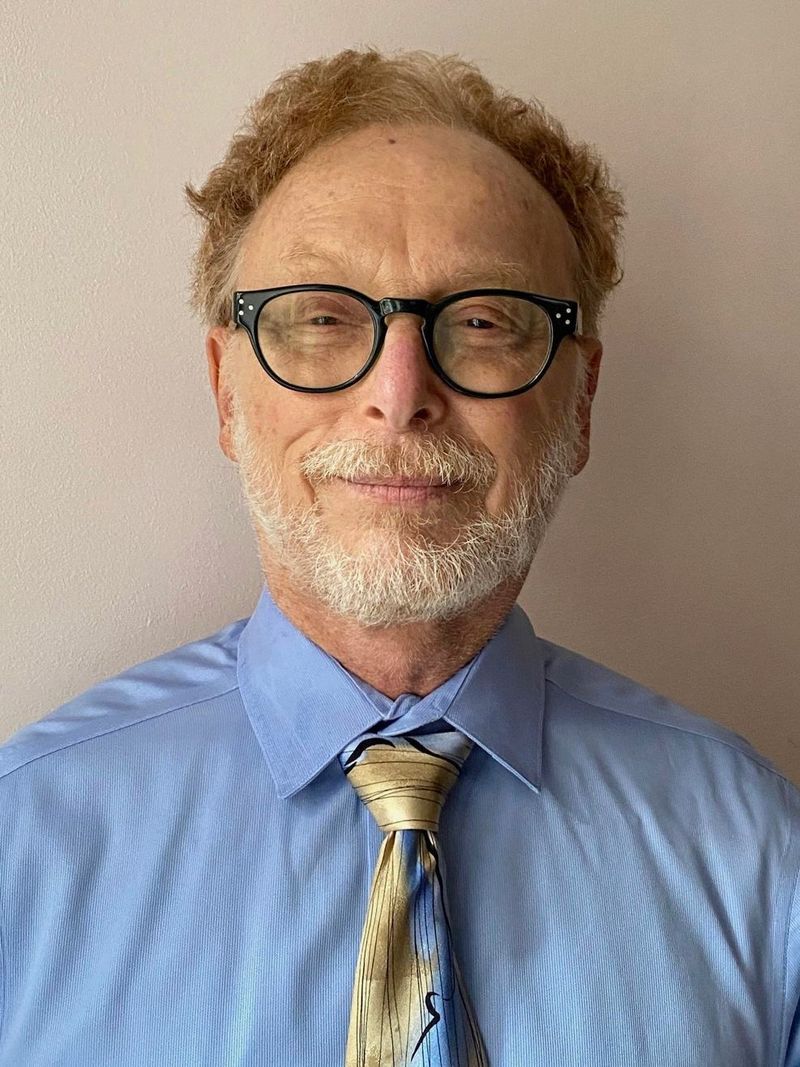
Dr. Irwin Abraham brings more than 40 years of experience to the evaluation and treatment of persistent pain, joint conditions, and sports injuries.
01 · THE APPROACH
Before recommending advanced treatment, Dr. Abraham takes time to understand your history, examine how you move, and identify the structures most likely involved.
A focused conversation about your history, symptoms, prior care, and the activities you want to regain.
A detailed physical examination connects pain with posture, position, and movement—not just an imaging report.
Treatment is selected with you after the evaluation, with an emphasis on conservative and non-surgical options.

02 · CONDITIONS
People visit the practice for a range of musculoskeletal concerns. Every plan begins with an individual evaluation.
Care for pain or limited movement affecting everyday tasks, work, and activity.
A careful look at the lower back, hips, and sacroiliac joints to identify likely sources of pain.
A whole-person evaluation when pain continues after an accident, injury, or prior treatment.
Assessment of injuries and movement problems that make standing, walking, or exercise difficult.
Evaluation of painful, stiff, unstable, or recurrent shoulder conditions.
Assessment of headaches and neck symptoms that may be connected to posture, movement, or soft tissue.
Care for large joints affected by overuse, arthritis, movement limitations, or acute injury.
Diagnosis and non-surgical care designed to support a safe return to the activities you value.
03 · TREATMENTS
Treatment may combine injection techniques, gentle hands-on care, specific exercise, and coordination with physical therapy. Not every option is appropriate for every person.
Treatment descriptions provide general information and do not guarantee results. Ask Dr. Abraham about the expected benefits, alternatives, risks, and costs of any treatment you are considering.
Very small amounts of dextrose or glucose are placed near superficial nerves as part of a plan to address nerve-related discomfort.
Targeted dextrose injections may be considered for injured tendons and ligaments after a detailed examination.
Slow, controlled movements and specific home exercises may help improve comfort, mobility, and function.
Hands-on evaluation and treatment of fascia—the connective tissue beneath the skin—without needles.
When physical therapy is appropriate, Dr. Abraham coordinates with the treating therapist to support a consistent recovery plan.
Ozone-based injection therapy may be considered in some cases. Ask Dr. Abraham about current availability, supporting evidence, potential benefits, and risks.

04 · ABOUT DR. ABRAHAM
Born and raised in Chicago, Dr. Abraham earned a bachelor’s degree in biochemistry from the University of Chicago and his medical degree from the Keck School of Medicine of USC. He completed his internal medicine residency at Lincoln Hospital in New York City, serving as chief resident in his final year.
He later practiced internal medicine in Rochester, New York, and served as a Clinical Assistant Professor at the University of Rochester School of Medicine and Dentistry from 1980 to 2005. In 2005 he moved his practice to New York City to focus on sports medicine and orthopedic medicine.
His work also includes teaching physical therapists about chronic low back pain and contributing to published discussion about more specific diagnosis of low back pain.
05 · PATIENT PERSPECTIVES
Patients share their experiences of Dr. Abraham’s thoughtful, attentive care.
“Dr. Abraham was the first doctor I’d ever met who took the time to acknowledge and understand my pain.”
“He is patient, caring and conscientious. He takes time and truly cares for his patients.”
“His work was excellent and had a mitigating effect. I recommend him to similar sufferers.”
Testimonials describe individual experiences and do not guarantee similar outcomes.
Insurance
When scheduling, ask about the plans and programs below. Coverage and eligibility can change; confirm current benefits with both your insurer and the practice.
06 · COMMON QUESTIONS
Clear, practical information about the practice, the first visit, treatment, and scheduling.
Dr. Abraham’s office is at 50 W. 97th St., Suite 1G, New York, NY 10025, on Manhattan’s Upper West Side. New patients should call +1 (212) 726-9066 before scheduling.
Dr. Abraham evaluates persistent pain, sports injuries, and pain or movement limitations involving the back, neck, shoulders, arms, hands, hips, knees, feet, and ankles. Each treatment plan begins with an individual evaluation.
Yes. His approach emphasizes conservative and non-surgical options selected after reviewing the patient’s history and completing a detailed physical examination. Not every treatment is appropriate for every patient.
The initial evaluation is scheduled for 50 minutes. It includes a discussion of symptoms, prior care, medical history, and activities the patient wants to regain, followed by an examination of posture, position, and movement.
Depending on the evaluation, options may include perineural injection therapy, dextrose prolotherapy, gentle hands-on treatment, specific exercises, fascial treatment, and coordination with physical therapy. Benefits, alternatives, risks, and costs should be discussed before treatment.
When calling, ask about Medicare, UnitedHealthcare, Oxford Health Plans, Empire, Workers’ Compensation, and the other programs listed by the practice. Coverage and eligibility can change, so confirm benefits with both the insurer and the office.
Call +1 (212) 726-9066. New patients are asked to speak directly with Dr. Abraham before an appointment is scheduled.
07 · CONTACT
New patients are asked to call and speak directly with Dr. Abraham before scheduling.
Call Dr. AbrahamSecretary: Monday–Friday, 9:00 a.m.–5:00 p.m.
Dr. Abraham: Monday 9:00 a.m.–8:00 p.m.; Wednesday and Friday 9:00 a.m.–5:00 p.m.
Please call to confirm current availability.